

How To Use A Slow Cooker For Batch Cooking
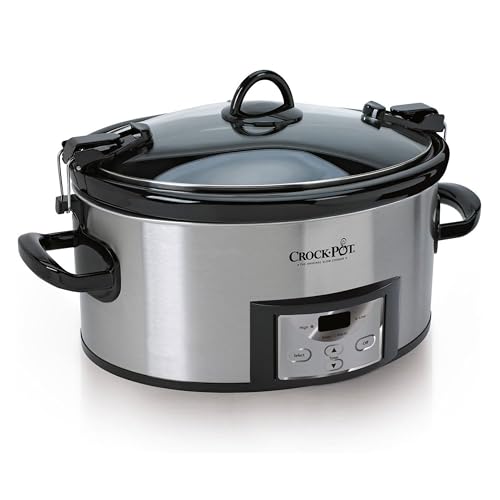
For batch cooking, 6-quart is the sweet spot. It can handle a big chili, soup, or pulled pork for a week of meals. If you mostly cook for 2-4 people, a 4-5 quart will do; an 8-quart model is handy for big batches or crowd cooking. Look for tall, straight sides so you can stir and portion without overflowing.
Table of Contents
Our Top Picks
Affiliate disclosure: if you buy through these links, we may earn a commission at no extra cost to you.


Factors to Consider
Size and capacity
Programmable features and timing
Look for a model with a programmable timer and a delay-start option so you can prep in the morning and come home to dinner. A true 12- or 24-hour timer helps you align batch cooking with your schedule. The keep-warm function should hold a safe serving temperature without overcooking leftovers.
Temperature settings and modes
Most slow cookers offer Low, High, and Keep Warm. For long days or tougher cuts, use Low to gently simmer and build flavor; for quick meals, High finishes faster. Some models include a browning or sear option, or you can brown ingredients on the stove before adding them to the pot.
Ease of cleaning and materials
Removable, dishwasher-safe stoneware makes cleanup easy; check that the lid is also dishwasher-safe. Ceramic or metal inserts are durable, but avoid abrasive scrubbers that can dull the finish. If you’re dealing with stubborn sauces, soak the stoneware for a bit before washing.
Durability, warranty, and safety
Choose a model with a solid build and a reputable warranty so it lasts through weekly batch cooking. Look for auto shut-off or boil-dry protection, and cool-touch handles on a sturdy base. A secure lid and a reliable sealing mechanism add safety and flavor retention over years of use.
Frequently Asked Questions
What size should I buy for batch cooking?
For batch cooking, a 6-quart slow cooker hits the sweet spot for most families. It can handle a big pot of chili or a week’s worth of pulled pork. If you mostly cook for 2-4 people, a 4-5 quart will do; an 8-quart model is handy for big batches or crowd cooking.
Should I sear meat before slow cooking?
Searing adds flavor and color; you can do it quickly in a skillet on the stove. It’s optional, not strictly required for every recipe, but it does boost depth in most savory dishes.
How do I set it for the right cooking time?
Follow the recipe’s hours on Low for tougher cuts and on High for quick meals. If you’re away, use a delay-start only if your model supports it and you’re confident in food safety; otherwise plan to start cooking before you leave or after you return.
Are slow cookers dishwasher safe?
Most removable stoneware and lids are dishwasher-safe, but check your manual. If yours isn’t, a quick hand wash with warm soap will do.
How do I clean sticky sauces and prevent staining?
Soak the stoneware after cooking to loosen stuck-on sauce. Then wash with warm, soapy water and avoid abrasive scrubbers. For stubborn stains, make a paste of baking soda and water and scrub gently.
What safety features matter?
Auto shut-off and boil-dry protection are worth having. Cool-touch handles and a stable base reduce accidents, and a secure lid helps keep heat and flavor in during the day.
Can I freeze leftovers or prep meals in advance?
Yes, you can freeze batches after cooking and reheat later. Cool quickly, portion into freezer-safe containers, and thaw in the fridge before reheating; never drop frozen blocks directly into a hot slow cooker.
Conclusion
Batch cooking with a slow cooker changes weeknights for the better. A 6-quart programmable model is the most versatile choice, balancing capacity, features, and cleanup ease. Recommendation: buy a 6-quart programmable slow cooker and start batch cooking this week.


