

How to Choose the Right Kitchen Gadgets
Start by listing what you actually cook and how often — a twice-a-month rotisserie is a waste if you meal prep every week. Choose single-purpose gadgets only if they’ll get weekly use; otherwise opt for multi-function tools that do several jobs well. That saves countertop space and money without sacrificing performance.
Table of Contents
Our Top Picks
Affiliate disclosure: if you buy through these links, we may earn a commission at no extra cost to you.


Factors to Consider
Match the tool to the task and frequency
Right size and capacity for your household
Pick capacity based on real servings, not marketing. For example, a 6–8‑quart multicooker fits a family of four; a 3–4‑quart air fryer works for one to two people. Oversizing wastes energy and counter space; undersizing forces you into multi-batch cooking.
Look for measured performance, not features
Check wattage, temperature range, and real-world benchmarks like preheat time and crisping performance. A blender with 1,000+ watts handles nut butters and frozen fruit without overheating; a true convection air fryer reaches steady hot circulating air, not just a hot fan. Prioritize consistent results over gimmicky presets.
Easy cleaning beats fancy finishes
Removable, dishwasher-safe parts save you hours — prioritize them. Nonstick coatings are convenient but inspect how replacements/consumables are handled; stainless or ceramic interiors take more elbow grease but last longer. If cleaning is a pain, you won’t use the gadget often.
Durability, repairs, and real warranties
Check materials and whether key parts are replaceable (baskets, blades, seals). A three-year warranty and available replacement parts mean the appliance will survive regular use. If the brand makes you start over after a year, factor that into the true cost-per-use.
Frequently Asked Questions
Do I need an air fryer if I already have a convection oven?
No — both use circulating hot air — but an air fryer gets hotter quicker and concentrates airflow, so it crisps faster and uses less electricity for small batches. If you cook single trays or want a compact, energy-efficient option that browns reliably, an air fryer is worth it. Skip it if you rarely need extra crisp for small portions.
What size Instant Pot or multicooker should I buy?
Match capacity to your typical batch: 3–4 quarts for singles/couples, 6–8 quarts for families of 3–5, and 8+ quarts if you batch-cook or roast whole poultry often. Bigger is not always better — larger pots use more electricity and take longer to come to pressure. If in doubt, a 6‑quart hits the sweet spot for most households.
How many watts should a blender have for smoothies and nut butters?
For everyday smoothies and occasional ice, 500–700 watts is fine; for consistent nut butters, frozen desserts, and green smoothies without chunks, aim for 900–1,200+ watts. Also check blade design and jar shape — power plus efficient airflow equals smoother blends. Higher wattage adds cost but reduces blending time and strain on the motor.
What features matter for food storage containers used in meal prep?
Choose stackable, oven-safe glass for reheating and long-term use, and BPA-free plastic for lightweight transport. Look for uniform sizes that fit your fridge shelves and are truly leakproof for sauces. Clear lids and visible volume markings speed assembly and portion control.
How often should I replace nonstick pans and how do I maintain them?
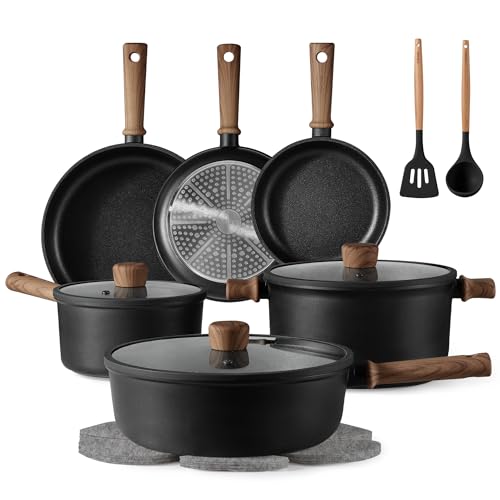
Replace nonstick pans when the coating peels or food starts to stick despite proper use; heavy weekly use often means replacement every 1–3 years. Hand-wash when possible and avoid metal utensils to extend life. If longevity matters more than stickiness, choose stainless steel or seasoned cast iron instead.
Can I put air fryer baskets, blender jars, and Instant Pot lids in the dishwasher?
Many baskets, blender jars, and inner pots are dishwasher-safe, but detachable fan housings, seals, and heating elements should be hand-washed. Repeated dishwasher cycles can dull coatings and warp thin plastics, so use the top rack and mild detergent. When in doubt, follow the manual — it's cheaper than replacing a warped part.
Is a multi-cooker worth it or are single-purpose appliances better?
A multi-cooker saves space and covers pressure cooking, slow cooking, and basic sautéing, which is ideal if you need one reliable all-rounder. Single-purpose tools (air fryer, high-speed blender) often outperform multis at their specific job, so buy single-purpose appliances only if that task is daily and critical. For most busy cooks, a 6‑quart multicooker plus one dedicated tool (blender or air fryer) is the most efficient setup.
Conclusion
Buy with a clear list: what you cook, how often, and what you hate cleaning. Prioritize real performance, replaceable parts, and dishwasher-friendly pieces so the gadget earns its keep. My recommendation: start with a reliable 6‑8 qt multicooker and one high-performance single-purpose tool (air fryer or blender) based on your biggest weekly need.


