

how to choose the right air fryer for crispy father's day grilled cheese bites and side dishes
A 4-6 quart basket fits most weeknight cooking for two to four people, which is what the average home cook actually needs. If you're meal prepping for a family or hosting regularly, go 6+ quarts—but understand that smaller baskets heat faster and cook more evenly. The real win? You'll use it consistently if the basket matches your real cooking volume, not some fantasy entertaining scenario.
Table of Contents
Our Top Picks
Affiliate disclosure: if you buy through these links, we may earn a commission at no extra cost to you.
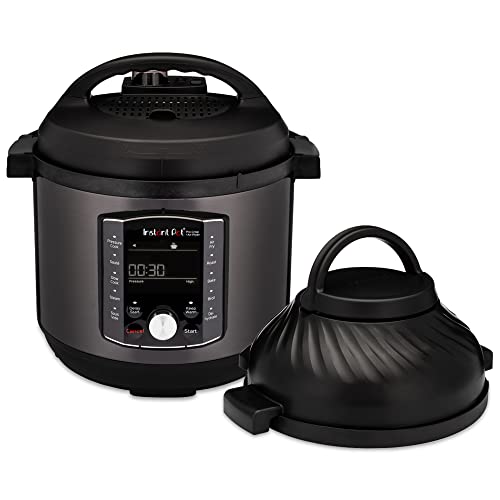


Factors to Consider
Basket Size: Match Your Actual Cooking Habits
Pro tip: Grilled cheese bites and side dishes batch really well in a 5-quart basket, so you can make Dad's whole meal in two rounds without waiting around.
Temperature Range and Wattage: Speed Matters
You want 1,500+ watts and a range up to 400°F minimum. Higher wattage means faster preheating and more consistent heat recovery when you open the basket—critical for getting that crispy exterior on grilled cheese without overcooking the inside. A fryer that only goes to 350°F limits your options for things like fries, wings, and quick crisping.
Look for models with 1,700 watts if you're serious about efficiency; they'll preheat in under 3 minutes and won't dip in temperature when you load cold food.
Cleaning: Nonstick Coating and Basket Design
Dishwasher-safe baskets save you 10+ minutes per week—that matters when you're cooking regularly. Check reviews specifically for how the nonstick coating holds up after 50+ washes, because peeling nonstick means either hand-washing forever or replacing the unit. A textured or perforated basket bottom also drains grease better and reduces sticking.
If hand-washing appeals to you, go for it—but be honest about your actual habits before buying.
Temperature Control: Digital vs. Analog
Digital controls with 5-degree increments give you precision for things like reheating without drying out and hitting that exact crispness point for grilled cheese. Analog dials are simpler but less accurate, and you'll often overshoot or undershoot what you actually wanted. For meal prep and consistent results, digital wins every time.
Bonus: Air fryers with preset buttons (fries, chicken, toast) save mental energy on busy nights.
Durability and Warranty: Your Real Safety Net
A 2+ year warranty signals confidence from the manufacturer and gives you real coverage if the heating element fails. Read owner reviews for failure points—some models have weak buttons or doors that loosen after months of use. Stainless steel housing outlasts plastic trim, and cord quality matters more than you'd think for longevity.
Budget-friendly doesn't mean disposable; a well-made $80 fryer will outlast a poorly made $150 one.
Frequently Asked Questions
Can you really make grilled cheese in an air fryer?
Yes—butter both sides of bread, add cheese, and air fry at 375°F for 6-7 minutes. The basket distributes heat evenly around all sides, so you get crispy exteriors without babysitting on the stovetop. It's faster than pan-frying and you can make 4-6 at once depending on your basket size.
How long does an air fryer take to preheat?
Most models preheat to 375°F in 3-5 minutes, though higher-wattage fryers (1,700+ watts) hit that mark in under 3 minutes. You can skip preheating altogether and just add 2-3 minutes to your cooking time, though preheating gives you more consistent browning, especially important for grilled cheese and fries.
Are air fryers energy efficient compared to ovens?
Yes—air fryers use about 1,500-1,700 watts versus 2,500-5,000 watts for a conventional oven, and they heat food faster (using less total energy per meal). For weeknight cooking of smaller portions, you'll see a real difference on your electric bill, especially if you replace oven use 4+ times per week.
What's the difference between a 4-quart and 6-quart air fryer?
A 4-quart fryer cooks for 2-3 people per batch and preheats fastest; a 6-quart handles 4-5 people and makes bigger batches but takes slightly longer to heat evenly. Choose 4-quart if you're cooking for yourself or one other person and value speed; choose 6-quart if you meal prep, have a family, or host regularly and don't mind the extra preheating time.
Do I really need the preset buttons, or is manual control enough?
Manual control works fine—presets are just convenience buttons that save you from looking up temperatures and times. If you cook the same 5-6 things regularly, presets speed up your workflow; if you like experimenting or following specific recipes, manual control is all you need.
How often do you need to replace the nonstick coating?
With proper care (no metal utensils, hand- or dishwasher-safe use), most quality nonstick coatings last 2-3 years of regular use. Read specific reviews for the model you're considering—some brands hold up better than others, and that data matters more than any general rule.
Can an air fryer actually replace your regular oven?
It replaces 60-70% of your oven use if you're cooking weeknight meals and meal prep, but not large casseroles, whole chickens for a crowd, or big baking projects. Think of it as a second tool that handles the everyday stuff faster and with less cleanup—your oven stays for the other jobs.
Conclusion
The right air fryer should match how you actually cook: your family size, how often you meal prep, and whether you value speed or complexity. For making Father's Day grilled cheese bites with crispy sides, a 5-6 quart fryer with digital controls, 1,500+ watts, and a dishwasher-safe basket will handle the job reliably and save you cleanup time you'd rather spend elsewhere.
Invest in a model with solid reviews for nonstick durability and a 2+ year warranty—that's where the real value lives. You'll use it, it'll last, and your grilled cheese will come out perfect every time.


